ND Friendly Life Tarot Part III
When Amy and I met each other, we were both recovering from massive, life-altering burnouts. We knew we needed to find a new way to work that would support us without destroying us. Unsurprisingly, the more we explored the idea the more special-interested we became. Ultimately we built a business with our well-being and that of other neurodivergent people in its DNA. . . from the mission statement, to the structure, to the content of the work that we do. This is the fertile soil from which ND Friendly Life Tarot began to grow.

ND Friendly Life Tarot Part II
The ND Friendly Life Tarot is a very easy and approachable practice to take up, and can be endlessly modified to suit your needs. It can be a full day ritual deep dive into your inner world, or simply a single card quick-pick as inspiration for the week.

ND Friendly Life Tarot Part I
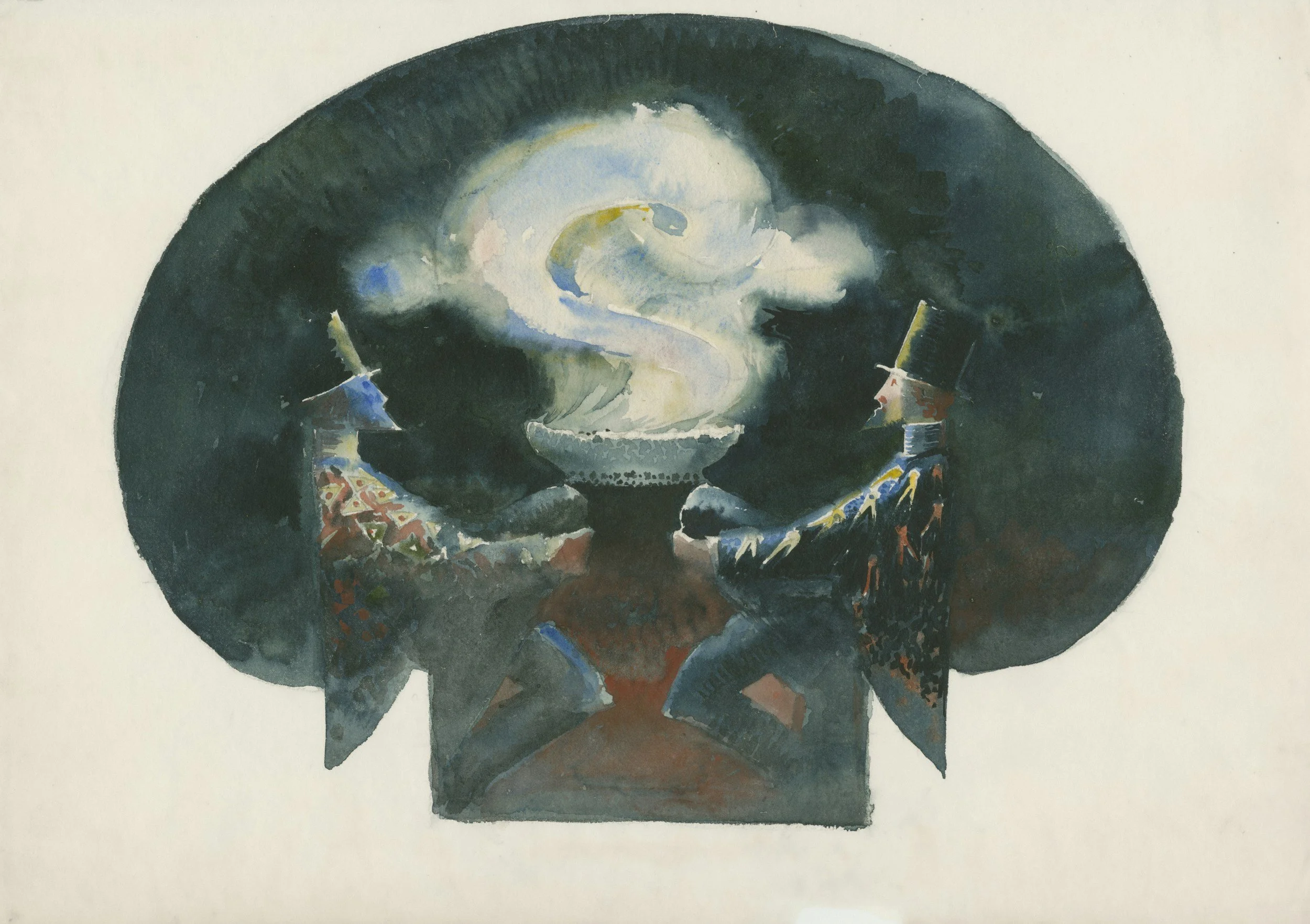
The ND Friendly Life Tarot is a neurodivergent-affirming practice modeled on traditional Tarot, but with its own card deck and meanings. It is designed to be used alone or with a trusted Tarot reader, friend, or coach. Its projective technique means that you will derive your own meanings from the cards each time you engage with them. Your perspective, frame of mind, and the situation you are in will all influence your interpretations. They are designed to inspire you to see yourself and your situation with compassion and curiosity, and to open your mind to new ways of seeing things.

When trauma healing isn’t enough: supporting the neurodivergent nervous system
For years I thought my hypervigilance, extreme startle reflex, panic attacks, and fainting spells were all due to PTSD. I worked diligently in therapy, read every self-help book, did yoga, meditation, and breathwork. And it helped. . . it helped so much that it felt like I could self-help my way to being a calm, grounded, steady person.

Life with a neurodivergent nervous system
Living in our modern world with an extremely sensitive and over-burdened neurodivergent nervous system causes acute reactions: meltdowns, shutdowns, fainting spells, etc. In the longer-term it can lead to living in a chronic state of sympathetic activation (fight, flight, freeze, fawn), and ultimately shape our lives and our relationships. Masked neurodivergent adults often enter coaching because they’ve realized they are “people pleasers” and are unable to prioritize their own needs or hold boundaries. Or they come in because their partner is complaining that they’re not emotionally present, they’re volatile, or they zone out or avoid challenging relational conversations and experiences.

How Steven Porges’ sound therapies can help tone your neurodivergent nervous system
Steven Porges is the scientist and professor who developed Polyvagal Theory, which attempts to explain the role the vagus nerve plays in our nervous system regulation. He developed two musical therapies to help support a healthy nervous system, boosting the ability to move fluidly from states of arousal (when danger is present) to relaxation (when it’s safe). Ultimately, the goal is to be able to sync up your own body’s perception of “safe enough” with the cues from the environment so that you are not flooded with adrenaline while sitting at home with your loved ones, or unable to rouse yourself when you need to take action.

How to know if Supported Self-Assessment for Autism/ADHD is right for you?
Before I knew I was ADHD, I thought I must be a careless, bumbling idiot. Before I knew I was Autistic, I thought I was a neurotic hypochondriac, and “a bad friend.” And I’m not alone. For reasons I’ll explain, many undiagnosed Autistic ADHDers are extremely self-critical, dismissive of their own struggles, and suffer profoundly throughout their lives in ways that are not only unnecessary but tragic, because undiagnosed neurodivergence may be a risk factor for suicide and other health risks. Supported Self-Assessment (SSA) can help, but it can be hard to know if it’s the best choice for you.